

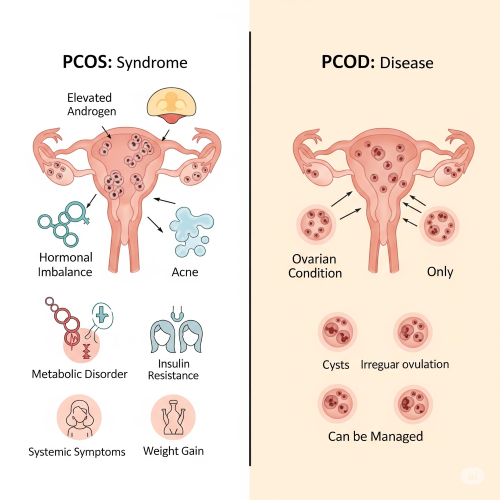
Understand the key differences between PCOD and PCOS. Learn about symptoms, diagnosis, and management options for each condition.
Understanding PCOD
Polycystic Ovary Disease, often abbreviated as PCOD, is a hormonal disorder common among women of reproductive age. It’s characterized by the development of multiple small cysts on the ovaries. While the term might sound alarming, it’s important to understand that PCOD is generally considered a less severe condition compared to its counterpart, Polycystic Ovary Syndrome (PCOS). The key factor in PCOD is hormonal imbalance, particularly an excess of androgens (male hormones), which can disrupt the normal ovulation process.
This disruption leads to the formation of cysts, which are essentially immature eggs that fail to release from the ovaries. PCOD is largely influenced by lifestyle factors and genetics. Women with PCOD may experience irregular periods, weight gain, and acne.
Symptoms and Diagnosis of PCOD
The symptoms of PCOD can vary from woman to woman, but some of the most common include:
– Irregular menstrual cycles: Periods may be infrequent, prolonged, or absent altogether.
– Weight gain: Difficulty losing weight or a tendency to gain weight easily.
– Acne: Breakouts, particularly on the face, chest, and back.
– Hirsutism: Excessive hair growth on the face, chest, or back.
– Mood changes: Some women may experience mood swings, anxiety, or depression.
Diagnosing PCOD typically involves a combination of factors. A doctor will review your medical history, conduct a physical exam, and may order blood tests to check hormone levels. An ultrasound can also help visualize the ovaries and identify the presence of cysts.
Delving into PCOS
Polycystic Ovary Syndrome, or PCOS, is a more complex endocrine disorder affecting women of reproductive age. While both PCOD and PCOS involve hormonal imbalances and ovarian cysts, PCOS is often associated with more severe metabolic and reproductive consequences. PCOS is diagnosed based on the Rotterdam criteria, which requires the presence of at least two out of three key features: irregular ovulation, elevated androgen levels, and polycystic ovaries.
Unlike PCOD, PCOS is considered a syndrome, meaning it’s a cluster of related symptoms and conditions. The precise cause of PCOS is not fully understood, but it’s believed to involve a combination of genetic and environmental factors. Women with PCOS are at a higher risk of developing serious health problems such as type 2 diabetes, heart disease, and endometrial cancer.
Symptoms and Diagnosis of PCOS
The symptoms of PCOS are similar to those of PCOD but can be more pronounced. Common symptoms include:
– Irregular or absent periods: This is a hallmark symptom of PCOS.
– Hirsutism: Excessive hair growth, often in a male-like pattern.
– Acne: Severe and persistent acne.
– Weight gain: Difficulty managing weight.
– Infertility: Difficulty conceiving due to irregular ovulation.
– Insulin resistance: This can lead to type 2 diabetes.
– Ovarian cysts: Multiple cysts on the ovaries.
Diagnosis of PCOS typically involves a thorough evaluation by a doctor. Blood tests are used to measure hormone levels, including androgens, insulin, and glucose. An ultrasound can help visualize the ovaries and assess the presence of cysts. A pelvic exam may also be performed to rule out other possible conditions.
Key Differences Between PCOD and PCOS
One of the major differences between PCOD and PCOS is the severity and long-term health implications. PCOD is generally considered a milder condition that is more easily managed through lifestyle changes. PCOS, on the other hand, is a more severe syndrome associated with a higher risk of chronic health problems.
Another key distinction lies in the diagnostic criteria. While both conditions involve ovarian cysts, PCOS requires the presence of at least two out of three specific criteria according to the Rotterdam criteria, whereas PCOD doesn’t have such strict diagnostic guidelines. Hormonal imbalances also differ slightly between the two conditions. PCOS often involves higher levels of androgens and insulin resistance, which can lead to more significant metabolic disturbances. In summary, the differences between PCOD and PCOS can be significant in terms of severity, diagnostic criteria, and long-term health risks.
Management and Treatment Options
Managing PCOD and PCOS involves a multifaceted approach that includes lifestyle modifications, medication, and, in some cases, surgical intervention. The primary goal of treatment is to alleviate symptoms, regulate menstrual cycles, and reduce the risk of long-term health complications.
For PCOD, lifestyle changes such as diet and exercise can often be very effective in managing symptoms. A healthy diet rich in fruits, vegetables, and whole grains can help regulate hormone levels and promote weight loss. Regular exercise can also improve insulin sensitivity and reduce the risk of cardiovascular disease.
For PCOS, treatment options may include medications such as birth control pills to regulate menstrual cycles and anti-androgen medications to reduce symptoms like hirsutism and acne. Metformin, a medication used to treat type 2 diabetes, may also be prescribed to improve insulin sensitivity. In some cases, fertility treatments may be necessary for women with PCOS who are trying to conceive.
– Lifestyle changes: Diet and exercise are crucial for managing both PCOD and PCOS.
– Medications: Birth control pills, anti-androgens, and metformin are commonly prescribed.
– Fertility treatments: Clomiphene and other fertility drugs may be used to induce ovulation.
– Surgical options: In rare cases, surgery may be necessary to remove ovarian cysts.
For further reading on treatment options, you might find valuable information on reputable medical websites like the Mayo Clinic [https://www.mayoclinic.org/].
Dietary and Lifestyle Adjustments
Making the right dietary and lifestyle adjustments can significantly impact both PCOD and PCOS. These changes not only help manage symptoms but also improve overall health and well-being. Focusing on a balanced diet, regular exercise, and stress management can make a substantial difference.
Diet plays a crucial role in managing these conditions. It’s important to consume a diet rich in whole foods, including fruits, vegetables, lean proteins, and whole grains. Reducing the intake of processed foods, sugary drinks, and unhealthy fats can help regulate hormone levels and improve insulin sensitivity. Consider consulting with a registered dietitian for personalized dietary advice tailored to your specific needs.
Exercise is another key component of a healthy lifestyle for women with PCOD and PCOS. Regular physical activity can help improve insulin sensitivity, reduce weight, and regulate menstrual cycles. Aim for at least 150 minutes of moderate-intensity exercise per week, such as brisk walking, jogging, or swimming. Strength training can also be beneficial for building muscle and improving metabolism. In addition to diet and exercise, stress management techniques such as yoga, meditation, and deep breathing exercises can help reduce stress levels and improve overall well-being.
– Balanced Diet: Focus on whole foods, lean proteins, and healthy fats.
– Regular Exercise: Aim for at least 150 minutes of moderate-intensity exercise per week.
– Stress Management: Incorporate yoga, meditation, or deep breathing exercises.
– Adequate Sleep: Prioritize getting 7-8 hours of sleep each night to support hormone balance.
The Importance of Early Diagnosis and Management
Early diagnosis and management of both PCOD and PCOS are crucial for preventing long-term health complications and improving quality of life. Recognizing the symptoms early on and seeking medical advice can help women receive appropriate treatment and support.
For PCOD, early management through lifestyle changes can often prevent the condition from progressing to more severe stages. Regular monitoring of hormone levels and ovarian health can help detect any potential complications early on. For PCOS, early diagnosis and treatment can reduce the risk of developing serious health problems such as type 2 diabetes, heart disease, and endometrial cancer.
Women with PCOS should undergo regular screening for these conditions and work closely with their healthcare providers to manage their risk factors. Additionally, early intervention can improve fertility outcomes for women with PCOS who are trying to conceive. Seeking support from healthcare professionals, support groups, and online communities can also provide valuable resources and encouragement for women living with PCOD or PCOS. Don’t hesitate to seek professional help if you suspect you might have PCOD or PCOS.
Understanding the distinctions between PCOD and PCOS is essential for women’s health. While both conditions involve hormonal imbalances and ovarian cysts, PCOS is generally considered more severe with potentially greater health risks. The differences between PCOD and PCOS are significant enough that early diagnosis and appropriate management are critical. If you’re experiencing symptoms such as irregular periods, excessive hair growth, or weight gain, consulting with a healthcare professional is highly recommended to determine the best course of action for your specific situation. Taking proactive steps to manage your health can significantly improve your quality of life and reduce the risk of long-term complications. Take control of your health today by scheduling a check-up with your doctor to discuss any concerns you may have.


