

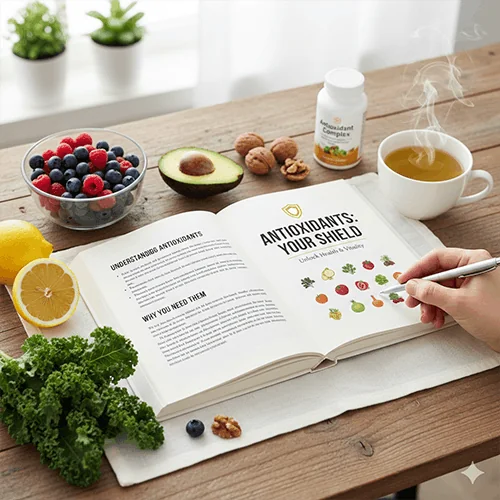
What Are Antioxidants and How Do They Work?
Imagine your body as a bustling city, with cells constantly working to keep everything running smoothly. Over time, pollution—in the form of free radicals—builds up, causing damage. Antioxidants act like the cleanup crew, neutralizing these harmful molecules and protecting your cells. Understanding antioxidants and why you need them is key to maintaining long-term health.
Free radicals are unstable molecules produced through natural processes like metabolism or exposure to environmental stressors like UV rays and pollution. When left unchecked, they can cause oxidative stress, leading to premature aging, inflammation, and chronic diseases. Antioxidants step in to donate electrons, stabilizing free radicals and preventing damage.
Types of Antioxidants
Antioxidants come in various forms, each with unique benefits:
– **Vitamin C**: Supports skin health and immune function.
– **Vitamin E**: Protects cell membranes from oxidative damage.
– **Beta-carotene**: A precursor to vitamin A, essential for vision and immunity.
– **Polyphenols**: Found in foods like berries, tea, and dark chocolate, they combat inflammation.
The Health Benefits of Antioxidants
Understanding antioxidants and why you need them means recognizing their role in disease prevention and overall well-being. Research shows that a diet rich in antioxidants can:
– Reduce the risk of chronic illnesses like heart disease and cancer.
– Slow down aging by protecting skin from UV damage and wrinkles.
– Improve brain function and lower the risk of neurodegenerative diseases.
A study published in the National Library of Medicine highlights how antioxidants help lower inflammation, a key factor in many health conditions.
Antioxidants and Immune Support
Your immune system relies on antioxidants to function optimally. For example, vitamin C enhances white blood cell production, while selenium helps regulate immune responses. Including a variety of antioxidant-rich foods in your diet can strengthen your body’s defenses.
Top Food Sources of Antioxidants
The best way to get antioxidants is through whole foods. Here are some of the most potent sources:
– **Berries**: Blueberries, strawberries, and raspberries are packed with anthocyanins.
– **Leafy Greens**: Spinach and kale contain lutein and zeaxanthin, which support eye health.
– **Nuts and Seeds**: Almonds and sunflower seeds provide vitamin E.
– **Dark Chocolate**: Contains flavonoids that boost heart health.
How to Maximize Antioxidant Intake
To get the most out of these foods:
– Eat them raw or lightly cooked to preserve nutrients.
– Pair vitamin C-rich foods with iron sources (like spinach and citrus) to enhance absorption.
– Opt for organic produce when possible to reduce pesticide exposure.
Antioxidant Supplements: Are They Necessary?
While whole foods are the best source, supplements can help fill gaps—but they’re not a magic solution. Overconsumption of isolated antioxidants (like high-dose vitamin E) can sometimes backfire. Always consult a healthcare provider before starting supplements.
When Supplements Might Help
Certain situations may warrant supplementation:
– Restricted diets (e.g., veganism) lacking key nutrients.
– Medical conditions that impair nutrient absorption.
– High oxidative stress due to intense exercise or pollution exposure.
Simple Ways to Boost Your Antioxidant Levels
Understanding antioxidants and why you need them is just the first step. Here’s how to incorporate them into daily life:
– Start your day with a smoothie made with berries, spinach, and flaxseeds.
– Snack on nuts or dark chocolate instead of processed foods.
– Brew green tea or matcha for a polyphenol-rich drink.
Take Action for Better Health
Antioxidants are your body’s natural defense system, fighting oxidative stress and keeping you healthier for longer. By eating a colorful, varied diet and making mindful lifestyle choices, you can harness their power effectively. Ready to upgrade your nutrition? Begin by adding one antioxidant-rich food to your next meal—your cells will thank you!


