

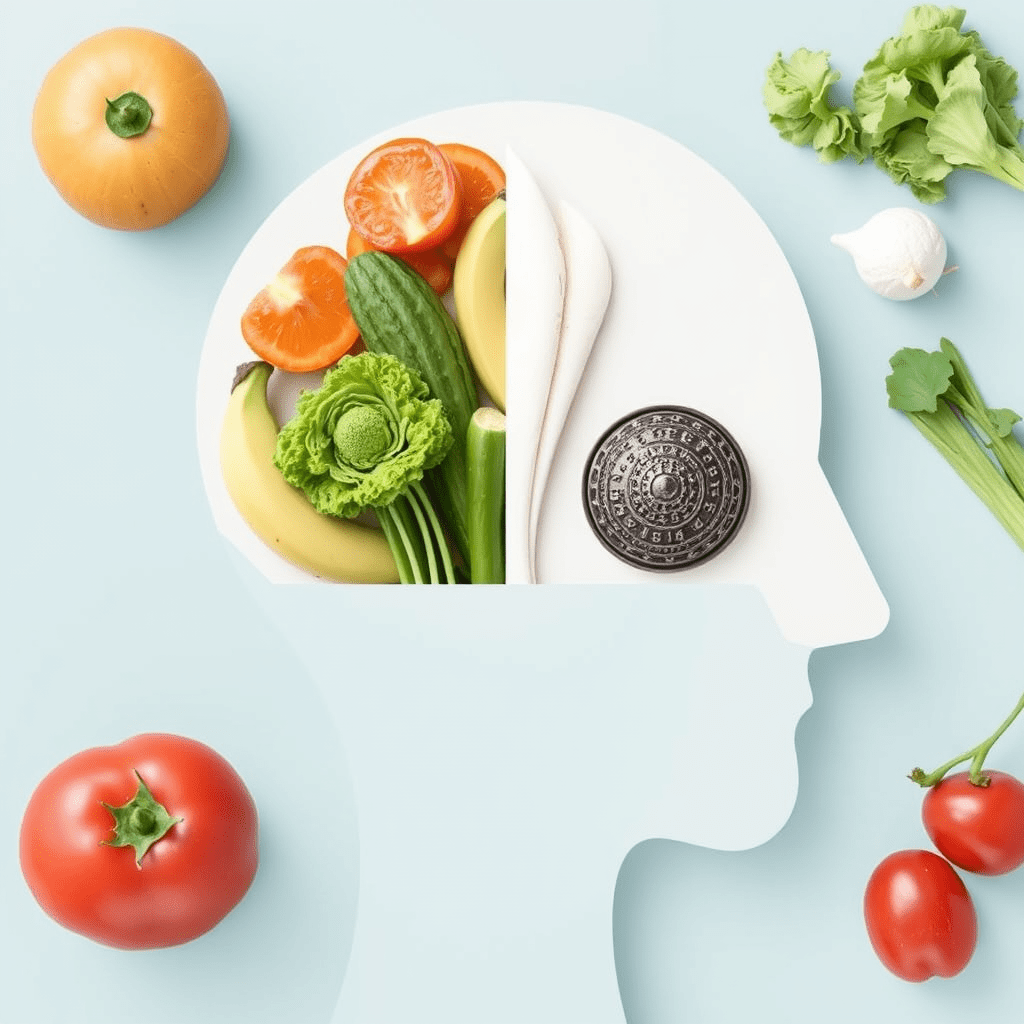
The Powerful Connection Between Nutrition and Mental Wellness
Did you know that what you eat can directly impact your mood, stress levels, and overall mental well-being? Emerging research continues to reveal how nutrition plays a crucial role in supporting mental wellness, influencing everything from brain function to emotional resilience. By making mindful dietary choices, you can nurture your mind just as effectively as your body.
This article explores how to support mental wellness through nutrition, offering science-backed strategies to help you feel your best. Whether you’re managing stress, anxiety, or simply looking to boost your cognitive health, the right foods can make a significant difference.
Key Nutrients That Boost Mental Health
Certain nutrients are essential for brain health, helping to regulate neurotransmitters, reduce inflammation, and improve cognitive function. Here are the most impactful ones to prioritize:
Omega-3 Fatty Acids
Omega-3s, particularly EPA and DHA, are critical for brain function and mood regulation. Studies suggest they may help reduce symptoms of depression and anxiety.
– Fatty fish (salmon, mackerel, sardines)
– Flaxseeds and chia seeds
– Walnuts
B Vitamins
B vitamins, especially B6, B9 (folate), and B12, support neurotransmitter production and help combat fatigue and brain fog.
– Leafy greens (spinach, kale)
– Legumes (lentils, chickpeas)
– Eggs and lean meats
Magnesium
Often called the “relaxation mineral,” magnesium helps regulate stress hormones and promotes better sleep.
– Dark chocolate (70% cocoa or higher)
– Pumpkin seeds
– Avocados
Foods That Support a Healthy Gut-Brain Axis
The gut-brain connection is a powerful pathway influencing mental wellness. A balanced gut microbiome can enhance mood and reduce anxiety.
Probiotic-Rich Foods
Probiotics promote beneficial gut bacteria, which produce mood-regulating neurotransmitters like serotonin.
– Yogurt (with live cultures)
– Kimchi and sauerkraut
– Kefir
Prebiotic Foods
Prebiotics feed good gut bacteria, helping them thrive.
– Garlic and onions
– Bananas
– Whole grains
For more on gut health and mental wellness, check out this Harvard Health article.
Foods to Avoid for Better Mental Well-Being
Just as some foods support mental wellness, others can negatively impact mood and cognitive function.
– **Refined sugars** – Linked to mood swings and increased anxiety.
– **Processed foods** – Often high in unhealthy fats and additives that disrupt brain function.
– **Excessive caffeine** – Can heighten anxiety and interfere with sleep.
Simple Dietary Changes for Mental Wellness
You don’t need a complete diet overhaul to support mental wellness through nutrition. Small, sustainable changes can make a big difference.
Prioritize Whole, Nutrient-Dense Foods
Focus on fresh fruits, vegetables, lean proteins, and healthy fats to nourish your brain.
Stay Hydrated
Dehydration can lead to fatigue and poor concentration. Aim for at least 8 glasses of water daily.
Practice Mindful Eating
Eating slowly and without distractions helps digestion and enhances nutrient absorption.
Final Thoughts
Supporting mental wellness through nutrition is a powerful, proactive way to enhance mood, reduce stress, and improve cognitive function. By incorporating brain-boosting foods, maintaining gut health, and avoiding mood-disrupting choices, you can take meaningful steps toward better mental well-being.
Ready to make a change? Start by adding one or two of these nutrient-rich foods to your daily meals and notice the difference. Your mind—and body—will thank you!


