

Meta description: Discover how to maximize the benefits of seed cycling for women’s hormone health. Learn practical tips and a step-by-step guide to balance your hormones naturally.
Understanding Seed Cycling: A Beginner’s Guide
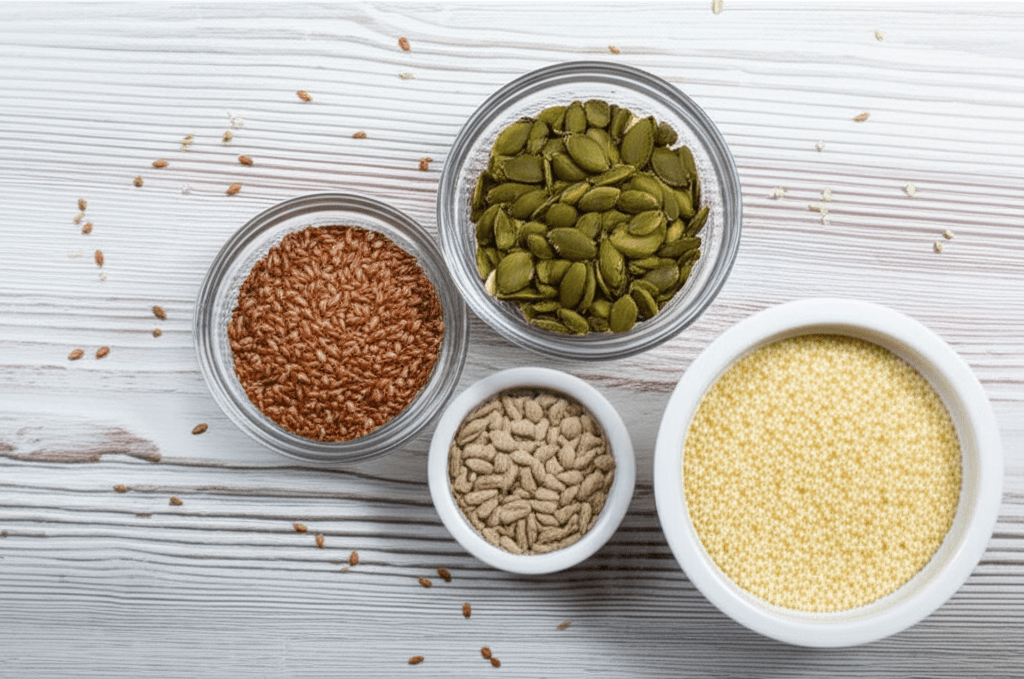
Seed cycling is a simple yet powerful dietary practice that involves eating specific seeds during the two main phases of your menstrual cycle to support hormone balance. For women seeking natural methods to regulate their cycles and alleviate hormonal imbalances, understanding how to maximize the benefits of seed cycling is key. This natural approach harnesses the nutritional properties of seeds like flax, pumpkin, sunflower, and sesame to influence estrogen and progesterone levels.
The Science Behind Seed Cycling
The underlying principle of seed cycling revolves around providing the body with essential nutrients that support hormone production and metabolism. During the follicular phase (day 1 of menstruation to ovulation), estrogen dominates. Flax and pumpkin seeds, rich in phytoestrogens and zinc, respectively, are consumed to support healthy estrogen levels. In the luteal phase (ovulation to the start of the next period), progesterone takes center stage. Sunflower and sesame seeds, packed with vitamin E and selenium, aid in progesterone production. These nutrients can have a profound impact on women’s hormone health.
How to Maximize the Benefits of Seed Cycling: A Step-by-Step Guide
To fully leverage this natural approach, consistency and proper execution are crucial. Here’s a step-by-step guide on how to maximize the benefits of seed cycling.
-
- Track Your Menstrual Cycle: Accurate tracking is the foundation of successful seed cycling. Use a period tracking app, journal, or calendar to monitor the start and end dates of your cycle. Knowing when you’re in the follicular or luteal phase is essential for consuming the correct seeds.
-
- Phase 1: Follicular Phase (Day 1-14):
– Consume 1 scoop of ThriveOn Hormone Balance Seed Cycle Blend Phase 1 containing ground Pumpkin Seeds, Flax Seeds, Fennel Seeds, Moringa Leaf, Mulethi Roots daily.
– Add these blends to your smoothies, yogurt, oatmeal, or salads.
– Flax seeds contain lignans that can help modulate estrogen levels, while pumpkin seeds are rich in zinc, which supports progesterone production later in the cycle.
- Phase 1: Follicular Phase (Day 1-14):
-
Phase 1 – Hormone Balance Seed Cycle Blend – PCOS | PCODAdd to cart-22%LimitedOriginal price was: ₹449.00.₹349.00Current price is: ₹349.00.
Promotes hormonal balance and regularity.
Supports healthy ovulation and menstrual cycles.
Improves insulin sensitivity and blood sugar control.
Reduces inflammation and oxidative stress.
Enhances energy levels and mood.
Promotes healthy skin and hair.


-
- Phase 2: Luteal Phase (Day 15-28):
– Consume 1 scoop of ThriveOn Hormone Balance Seed Cycle Blend Phase 2 containing ground Sunflower Seeds, Sesame Seeds, Fennel Seeds, Moringa Leaf, Mulethi Roots daily.
– Similar to the follicular phase, incorporate these seeds into your diet in creative ways.
– Sunflower seeds are a good source of vitamin E, which can help with progesterone production, and sesame seeds provide selenium, important for hormone balance.
- Phase 2: Luteal Phase (Day 15-28):
-
Phase 2 – Hormone Balance Seed Cycle Blend – PCOS | PCODAdd to cart-22%LimitedOriginal price was: ₹449.00.₹349.00Current price is: ₹349.00.
Promotes hormonal balance and regularity.
Supports healthy ovulation and menstrual cycles.
Improves insulin sensitivity and blood sugar control.
Reduces inflammation and oxidative stress.
Enhances energy levels and mood.
Promotes healthy skin and hair.

- Consistency is Key: Make seed cycling a daily habit for at least three months to notice significant improvements. Hormonal changes take time, so patience and consistency are essential.
Optimizing Your Diet for Hormone Health
While seed cycling is a powerful tool, it’s most effective when combined with a balanced diet that supports overall hormone health.
– Eat Plenty of Fiber: Fiber helps regulate blood sugar levels and supports healthy digestion, which is crucial for hormone balance. Include foods like fruits, vegetables, and whole grains in your diet.
– Incorporate Healthy Fats: Healthy fats, such as those found in avocados, nuts, and olive oil, are essential for hormone production.
– Limit Processed Foods and Sugar: These can disrupt hormone balance and exacerbate symptoms like PMS and mood swings.
– Stay Hydrated: Drinking plenty of water helps flush out toxins and supports overall bodily functions, including hormone regulation.
Addressing Specific Hormonal Imbalances with Seed Cycling
Seed cycling can be particularly beneficial for addressing specific hormonal imbalances. Understanding how to maximize the benefits of seed cycling for these conditions can lead to significant improvements.
Seed Cycling for PCOS (Polycystic Ovary Syndrome)
PCOS is often characterized by hormonal imbalances, including high levels of androgens and insulin resistance. Seed cycling may help by supporting healthy estrogen and progesterone levels, potentially improving menstrual regularity and reducing symptoms like acne and hirsutism. The zinc in pumpkin seeds and selenium in sesame seeds are particularly beneficial.
Seed Cycling for PMS (Premenstrual Syndrome)
Many women experience PMS symptoms such as mood swings, bloating, and breast tenderness. Seed cycling can help alleviate these symptoms by balancing estrogen and progesterone levels throughout the cycle. The vitamin E in sunflower seeds may reduce breast tenderness, and the lignans in flax seeds can help regulate estrogen levels.
Seed Cycling for Irregular Periods
Irregular periods can be a sign of hormonal imbalances. Seed cycling may help regulate the menstrual cycle by providing the body with the nutrients it needs to produce and metabolize hormones effectively.
Potential Challenges and How to Overcome Them
While seed cycling is generally safe and well-tolerated, some individuals may encounter challenges.
– Digestive Issues: Some people may experience mild digestive discomfort when starting seed cycling. To minimize this, start with smaller amounts of seeds and gradually increase your intake.
– Taste Preferences: If you dislike the taste of certain seeds, try incorporating them into recipes where the flavor is masked, such as smoothies or baked goods.
– Inconsistency: It can be challenging to remember to consume seeds daily. Set reminders on your phone or prepare your seed mixtures in advance to make it easier.
– Lack of Results: Some individuals may not see immediate results. Remember that hormonal changes take time, and consistency is key. If you don’t notice improvements after three months, consult with a healthcare professional.
Expert Opinions on Seed Cycling
Many nutritionists and integrative health practitioners support seed cycling as a natural way to promote hormone balance. According to Dr. Jolene Brighten, a functional medicine physician and author, “Seed cycling can be a gentle and effective way to support hormone health, especially when combined with a nutrient-dense diet and healthy lifestyle habits.” [https://drbrighten.com/]
Another expert, Alisa Vitti, founder of FLO Living, emphasizes the importance of seed cycling as part of a comprehensive approach to hormone health. She notes that “seed cycling can help women regain control over their cycles and experience more balanced hormones.”
Seed cycling is a holistic approach to women’s health that can provide numerous benefits when implemented correctly. By understanding the science behind it, following a consistent routine, and optimizing your diet, you can maximize the benefits of seed cycling for women’s hormone health and experience a more balanced and vibrant life.
Ready to take control of your hormone health? Start seed cycling today and track your progress. Consider consulting with a healthcare provider or nutritionist to personalize your approach and ensure it aligns with your individual needs. Take the first step towards a healthier, more balanced you!


