

Meta Description: Discover the incredible benefits of eating seeds mix for daily nutrition. Learn how these tiny powerhouses can boost your health and well-being!
The Nutritional Powerhouse: Why Seeds Mix Matters
In today’s fast-paced world, optimizing your diet for maximum nutrition can feel like a constant challenge. One simple yet incredibly effective way to boost your daily nutrient intake is by incorporating a seeds mix into your routine. These tiny powerhouses are packed with essential vitamins, minerals, and healthy fats that can contribute significantly to your overall health and well-being. From supporting heart health to improving digestion, the benefits of eating seeds mix are vast and varied, making them an excellent addition to any diet.
Understanding the Composition of a Seeds Mix
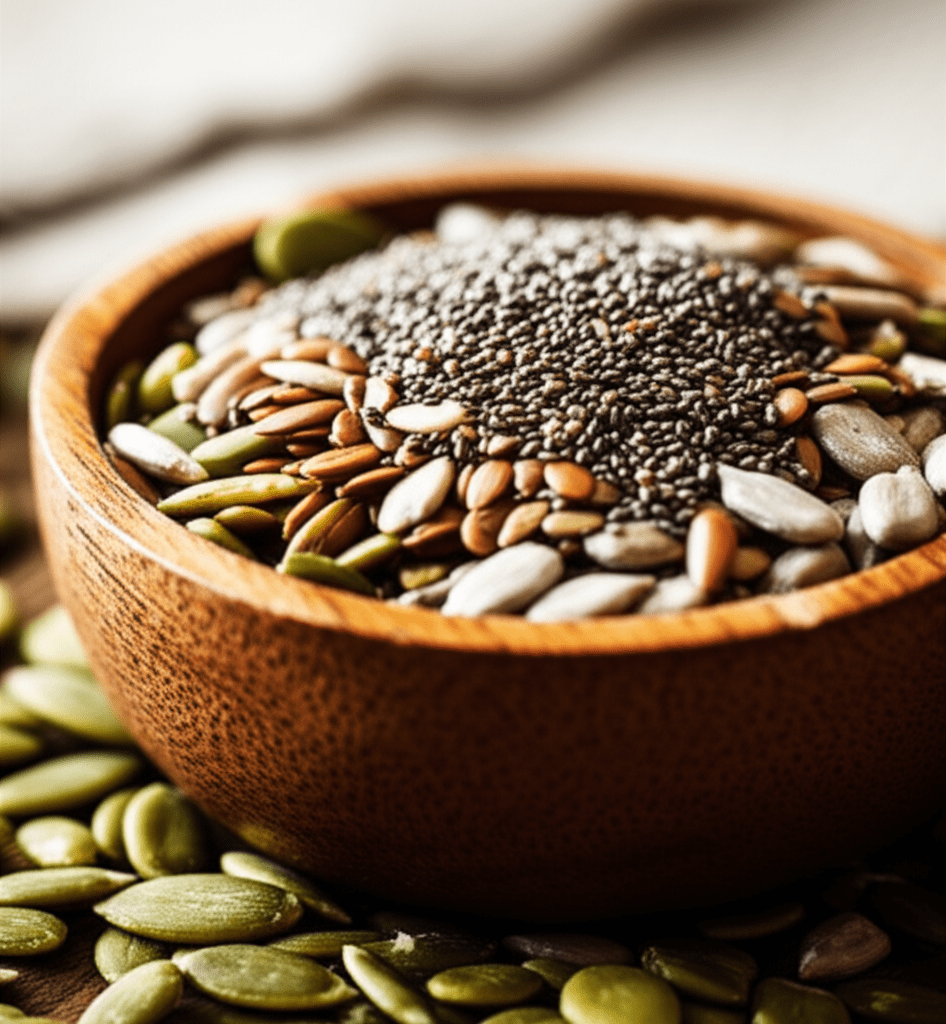
A typical seeds mix usually includes a combination of several different types of seeds, each offering its unique nutritional profile. Common ingredients are flax seeds, chia seeds, sunflower seeds, pumpkin seeds, and sesame seeds. Understanding what each seed brings to the table helps you appreciate the full scope of their combined benefits.
Flax Seeds: Omega-3s and Fiber
Flax seeds are a fantastic source of alpha-linolenic acid (ALA), a type of omega-3 fatty acid that is beneficial for heart health. They are also rich in fiber, which aids in digestion and helps regulate blood sugar levels. Furthermore, flax seeds contain lignans, which have antioxidant and estrogen-like effects.
Chia Seeds: Fiber and Antioxidants
Chia seeds are another excellent source of fiber, helping you feel full and satisfied. They are also packed with antioxidants, which protect your cells from damage caused by free radicals. Additionally, chia seeds are a good source of calcium, phosphorus, and manganese.
Sunflower Seeds: Vitamin E and Magnesium
Sunflower seeds are rich in vitamin E, an antioxidant that supports skin health and boosts the immune system. They are also a good source of magnesium, which is essential for nerve and muscle function, as well as energy production.
Pumpkin Seeds: Zinc and Iron
Pumpkin seeds are a great source of zinc, which plays a vital role in immune function and wound healing. They are also a good source of iron, which is necessary for carrying oxygen in the blood.
Sesame Seeds: Calcium and Healthy Fats
Sesame seeds are rich in calcium, which is important for bone health. They also contain healthy fats and antioxidants, contributing to overall well-being.
Health Benefits of Eating Seeds Mix Regularly
Incorporating a seeds mix into your daily diet can lead to a wide range of health benefits. From improving heart health to boosting your immune system, these tiny seeds pack a powerful punch.
– Heart Health: The omega-3 fatty acids in flax seeds and chia seeds can help lower blood pressure and reduce the risk of heart disease.
– Digestive Health: The high fiber content in seeds like flax and chia promotes healthy digestion and prevents constipation.
– Blood Sugar Control: The fiber in seeds helps regulate blood sugar levels, making them a beneficial addition to the diet of people with diabetes or insulin resistance.
– Bone Health: Seeds like sesame and chia are rich in calcium, which is essential for maintaining strong and healthy bones.
– Immune Support: The zinc and vitamin E in pumpkin and sunflower seeds help boost the immune system and protect against infections.
– Antioxidant Protection: The antioxidants in various seeds help protect your cells from damage caused by free radicals, reducing the risk of chronic diseases.
– Weight Management: The fiber and protein in seeds can help you feel full and satisfied, aiding in weight management efforts.
Easy Ways to Incorporate Seeds Mix into Your Diet
One of the best things about a seeds mix is its versatility. There are countless ways to add it to your daily meals and snacks, making it easy to reap the benefits of eating seeds mix regularly.
1. Sprinkle it on your breakfast: Add a spoonful of seeds mix to your oatmeal, yogurt, or cereal for an extra boost of nutrition.
2. Blend it into smoothies: Incorporate seeds mix into your smoothies for a creamy texture and added nutrients.
3. Mix it into baked goods: Add seeds mix to your muffin, bread, or cookie recipes for a healthy twist.
4. Sprinkle it on salads: Top your salads with seeds mix for added crunch and nutrition.
5. Use it as a coating: Use seeds mix as a coating for chicken or fish for a healthy and flavorful alternative to breadcrumbs.
6. Mix it into dips and spreads: Add seeds mix to your hummus, guacamole, or other dips for extra texture and nutrients.
7. Snack on it: Simply enjoy a handful of seeds mix as a healthy and satisfying snack.
Choosing and Storing Your Seeds Mix
When selecting a seeds mix, opt for a high-quality product from a reputable brand. Look for mixes that contain a variety of seeds and are free from added sugars, salts, or artificial ingredients. Proper storage is also essential to maintain the freshness and nutritional value of your seeds mix.
– Store in an airtight container: This will protect the seeds from moisture and air, preventing them from going rancid.
– Keep in a cool, dark place: Exposure to heat and light can degrade the quality of the seeds.
– Consider refrigeration: For long-term storage, especially in warm climates, refrigerating your seeds mix can help extend its shelf life.
– Check for freshness: Before using, smell the seeds to ensure they have a fresh, nutty aroma. Discard if they smell musty or rancid.
Potential Considerations When Eating Seeds Mix
While the benefits of eating seeds mix are numerous, there are a few things to keep in mind to ensure you enjoy them safely and effectively.
– Allergies: Some people may be allergic to certain seeds, such as sesame or sunflower seeds. If you have known allergies, be sure to check the ingredient list carefully.
– Phytic Acid: Seeds contain phytic acid, which can inhibit the absorption of certain minerals. Soaking or sprouting seeds before consumption can help reduce phytic acid levels.
– Portion Control: Seeds are calorie-dense, so it’s important to practice portion control. A small handful (about 1-2 tablespoons) per day is usually sufficient.
– Hydration: Because of their high fiber content, it’s important to drink plenty of water when consuming seeds to prevent constipation.
Incorporating a seeds mix into your daily diet is a simple and effective way to boost your nutrient intake and improve your overall health. With their wealth of vitamins, minerals, and healthy fats, these tiny seeds offer a wide range of benefits, from supporting heart health to improving digestion. Whether you sprinkle them on your breakfast, blend them into smoothies, or simply enjoy them as a snack, finding creative ways to enjoy the benefits of eating seeds mix is easy. [https://www.hsph.harvard.edu/nutritionsource/food-features/nuts-seeds/](https://www.hsph.harvard.edu/nutritionsource/food-features/nuts-seeds/)
Ready to unlock the power of seeds? Start experimenting with different combinations and incorporating them into your favorite recipes. Your body will thank you for it!


