

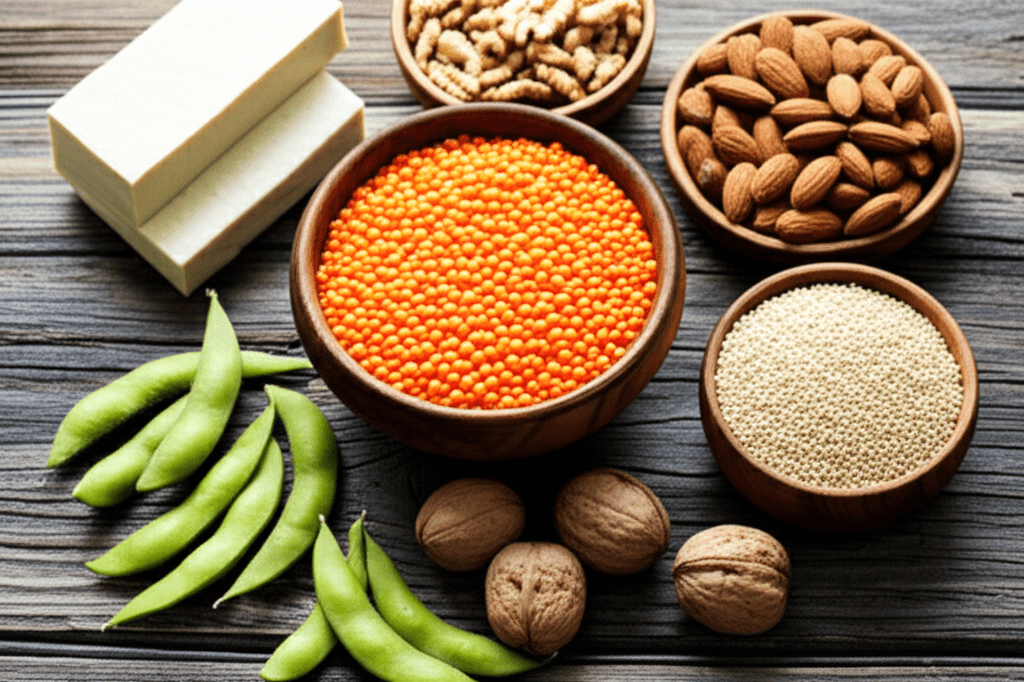
Meta description: Discover the best plant-based protein sources for vegetarians! Ensure you’re getting enough protein with these delicious and nutritious options.
Legumes: A Vegetarian Protein Powerhouse
For vegetarians, finding sufficient protein can sometimes feel like a challenge. Fortunately, the plant kingdom offers a wealth of excellent protein sources, and legumes are among the very best. From lentils to chickpeas, beans to peas, these nutritional powerhouses are packed with protein, fiber, and essential nutrients.
Legumes are not only a fantastic source of protein but also incredibly versatile in the kitchen. They can be used in soups, stews, salads, and countless other dishes. Plus, they’re generally affordable and easy to find, making them an accessible option for everyone.
Lentils: Quick, Easy, and Nutritious
Lentils are small but mighty, boasting around 18 grams of protein per cooked cup. They cook quickly, making them a convenient option for busy weeknights.
– Red lentils are great for thickening soups and stews.
– Green lentils hold their shape well in salads.
– Brown lentils are a versatile option for any dish.
Lentils are also high in fiber, which aids digestion and helps you feel full longer. They are an excellent choice for anyone looking to boost their protein intake without consuming animal products.
Beans: Variety and Versatility
Beans come in an array of types, each with its unique flavor and nutritional profile. Black beans, kidney beans, pinto beans, and cannellini beans are all excellent sources of protein.
– Black beans are perfect in tacos and burritos.
– Kidney beans are a staple in chili.
– Pinto beans are often used in refried beans.
A cup of cooked beans typically provides around 15 grams of protein. Beans are also rich in complex carbohydrates and fiber, offering sustained energy and promoting digestive health.
Chickpeas: Creamy and Delicious
Chickpeas, also known as garbanzo beans, are another excellent legume option. They are a key ingredient in hummus and falafel but can also be roasted as a snack or added to salads.
– Hummus is a tasty and versatile spread.
– Roasted chickpeas make a crunchy and healthy snack.
– Chickpeas add a hearty texture to salads.
One cup of cooked chickpeas offers about 15 grams of protein. Their creamy texture and nutty flavor make them a delightful addition to any vegetarian meal.
Nuts and Seeds: Small but Mighty Protein Sources
Nuts and seeds may be small, but they pack a powerful punch when it comes to protein and healthy fats. Incorporating a variety of nuts and seeds into your diet is a delicious way to boost your protein intake and enjoy a range of other essential nutrients.
Nuts and seeds are easy to add to meals and snacks. Sprinkle them on salads, yogurt, or oatmeal, or enjoy a handful as a quick and satisfying snack. Just be mindful of portion sizes, as they are calorie-dense.
Almonds: A Crunchy Protein Boost
Almonds are a popular choice for a reason. They are a good source of protein, healthy fats, and vitamin E. A one-ounce serving (about 23 almonds) provides around 6 grams of protein.
– Almonds are great as a standalone snack.
– Sliced almonds add texture to salads and desserts.
– Almond butter is a delicious alternative to peanut butter.
Almonds are a versatile nut that can be enjoyed in many ways. They are a great option for vegetarians looking to increase their protein intake.
Chia Seeds: Tiny Seeds with Big Benefits
Chia seeds are tiny black seeds that are packed with nutrients. They are an excellent source of protein, fiber, and omega-3 fatty acids. Two tablespoons of chia seeds contain about 5 grams of protein.
– Chia seeds can be added to smoothies for a nutritional boost.
– Chia pudding is a simple and healthy breakfast or snack.
– Chia seeds can be used as an egg replacement in baking.
Chia seeds are incredibly versatile and easy to incorporate into your diet. Their ability to absorb liquid and form a gel-like consistency makes them a unique and beneficial addition to any vegetarian meal plan.
Hemp Seeds: A Complete Protein Source
Hemp seeds are a complete protein, meaning they contain all nine essential amino acids. This is a significant advantage for vegetarians, as complete protein sources are not always easy to find in plant-based foods. Three tablespoons of hemp seeds provide about 10 grams of protein.
– Hemp seeds can be sprinkled on salads or yogurt.
– Hemp protein powder can be added to smoothies.
– Hemp seeds can be used in baking.
Hemp seeds have a mild, nutty flavor that makes them easy to incorporate into a variety of dishes. They are a great choice for vegetarians looking for a complete and convenient protein source.
Quinoa: A Complete Protein Grain
Quinoa is often referred to as a grain, but it is actually a seed. What sets quinoa apart is that it is a complete protein, containing all nine essential amino acids. This makes it an invaluable addition to a vegetarian diet.
Quinoa is easy to cook and can be used in a variety of dishes. It has a mild, nutty flavor and a slightly chewy texture that makes it a versatile grain.
Versatile and Nutritious
Quinoa is an excellent source of protein, fiber, and minerals. One cup of cooked quinoa provides about 8 grams of protein. It’s also gluten-free, making it a good option for those with gluten sensitivities.
– Quinoa can be used as a substitute for rice in many dishes.
– Quinoa salads are a healthy and satisfying meal.
– Quinoa can be added to soups and stews for extra protein and nutrients.
Quinoa is a nutritional powerhouse that offers numerous health benefits. Its complete protein profile and high fiber content make it a great choice for vegetarians looking to maintain a balanced diet.
Soy Products: Versatile and Protein-Rich Options
Soy products are derived from soybeans and are a staple in many vegetarian and vegan diets. They are incredibly versatile and offer a range of textures and flavors, making them suitable for various culinary applications.
Soy products are rich in protein and essential nutrients, making them a valuable addition to any plant-based diet. From tofu to tempeh, edamame to soy milk, there’s a soy product to suit every taste and preference.
Tofu: A Vegetarian Staple
Tofu, also known as bean curd, is made by coagulating soy milk and pressing the resulting curds into blocks. It has a mild flavor that makes it highly adaptable to different cuisines.
– Firm tofu is great for stir-fries and grilling.
– Silken tofu is perfect for smoothies and desserts.
– Tofu can be marinated to absorb flavors.
A 3.5-ounce serving of tofu contains about 8 grams of protein. Tofu is also a good source of iron and calcium.
Tempeh: Fermented Soybeans
Tempeh is made from fermented soybeans pressed into a firm block. It has a nutty flavor and a chewy texture that makes it a satisfying meat alternative.
– Tempeh can be marinated and grilled.
– Tempeh crumbles can be used in tacos or pasta sauces.
– Tempeh bacon is a popular vegetarian breakfast option.
A 3.5-ounce serving of tempeh contains about 19 grams of protein. Fermentation also enhances the digestibility and nutritional value of tempeh.
Edamame: Young Soybeans
Edamame are young soybeans harvested before they fully ripen. They are often steamed or boiled and served in their pods as a snack or appetizer.
– Edamame can be eaten straight from the pod.
– Shelled edamame can be added to salads and stir-fries.
– Edamame hummus is a tasty and healthy dip.
One cup of shelled edamame contains about 18 grams of protein. Edamame is also a good source of fiber and vitamins.
Combining Plant-Based Proteins
While individual plant-based foods may not always provide all the essential amino acids in sufficient amounts, combining different plant-based protein sources can ensure you’re getting a complete protein profile. This approach, known as protein combining or complementing, is a simple and effective way to meet your protein needs as a vegetarian.
Pairing different plant-based proteins can create delicious and nutritious meals. For instance, combining legumes with grains, nuts, or seeds can provide a complete set of amino acids.
– Beans and rice is a classic example of protein combining.
– Peanut butter on whole-wheat bread offers a balanced protein profile.
– Hummus with whole-grain pita bread provides a complete protein source.
By being mindful of the amino acid profiles of different plant-based foods and combining them strategically, vegetarians can easily meet their protein requirements and maintain a healthy and balanced diet.
Ensuring Adequate Protein Intake
Maintaining adequate protein intake is essential for vegetarians, as protein plays a crucial role in muscle growth, repair, and overall health. Understanding your protein needs and incorporating a variety of plant-based protein sources into your diet can help you meet your daily requirements.
The recommended daily protein intake for adults is around 0.8 grams per kilogram of body weight. However, individual protein needs may vary depending on factors such as age, activity level, and overall health.
– Active individuals may require more protein to support muscle recovery and growth.
– Pregnant and breastfeeding women also have increased protein needs.
– Older adults may need more protein to prevent muscle loss.
Consulting with a registered dietitian or healthcare professional can help you determine your individual protein needs and create a personalized meal plan that incorporates the best plant-based protein sources for your specific requirements. For more detailed information on recommended daily intakes, you can refer to reputable sources like the National Institutes of Health (NIH): [https://ods.od.nih.gov/factsheets/Protein-HealthProfessional/](https://ods.od.nih.gov/factsheets/Protein-HealthProfessional/)
Embrace the variety of plant-based protein sources available to you! Experiment with different recipes, explore new ingredients, and discover the delicious ways you can meet your protein needs as a vegetarian. From legumes and nuts to seeds and soy products, the plant kingdom offers a wealth of options to support your health and well-being.
Ready to take your vegetarian protein intake to the next level? Start by incorporating a few of these fantastic plant-based options into your daily meals. Try a new recipe each week and discover the amazing flavors and benefits of a protein-rich vegetarian diet. Your body will thank you!


