

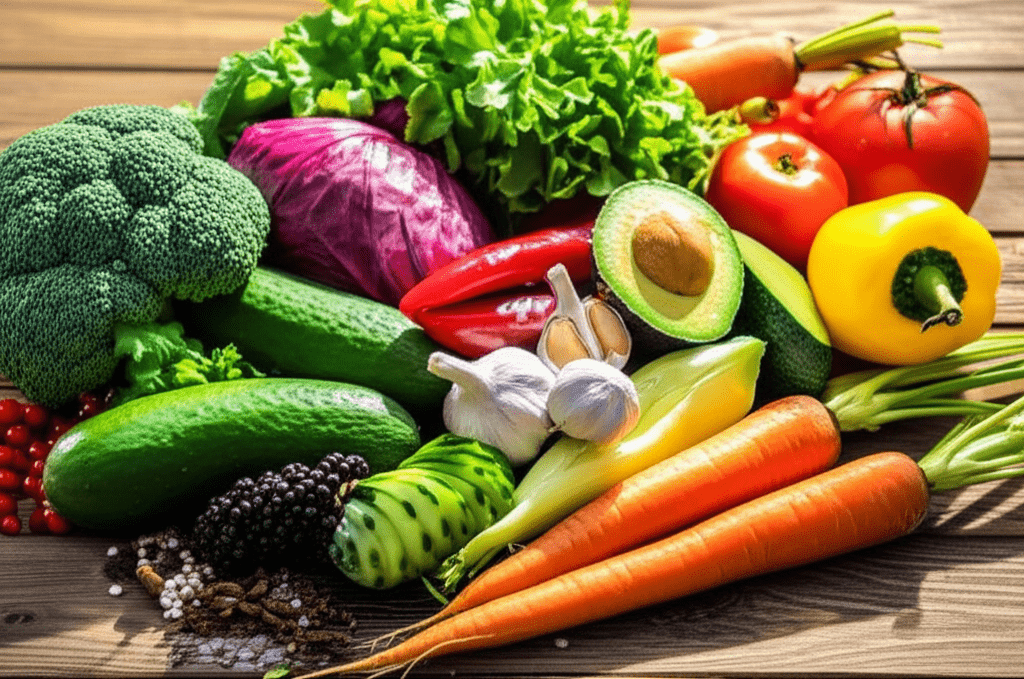
Meta description: Discover how gut health impacts your overall wellness. Learn practical tips to improve your gut microbiome and enhance your physical and mental health.
Understanding the Gut Microbiome
The gut microbiome, a complex community of microorganisms residing in our digestive tract, plays a vital role in overall wellness. Trillions of bacteria, fungi, viruses, and other microbes work together to influence everything from digestion and nutrient absorption to immune function and mental health. This intricate ecosystem is unique to each individual and is constantly evolving based on factors like diet, lifestyle, and environment.
A healthy gut microbiome is characterized by its diversity and balance. When harmful bacteria outnumber beneficial bacteria, it can lead to dysbiosis, an imbalance that contributes to various health problems.
The Impact of Gut Bacteria on Health
Gut bacteria are not just passive inhabitants; they are active participants in our health. They help break down complex carbohydrates, produce essential vitamins like K and B vitamins, and synthesize short-chain fatty acids (SCFAs) like butyrate, acetate, and propionate. These SCFAs are crucial energy sources for colon cells and have anti-inflammatory properties.
Moreover, the gut microbiome has a direct line of communication with the brain via the gut-brain axis. This bidirectional pathway allows the gut to influence mood, cognition, and behavior, and vice versa.
The Link Between Gut Health and Immunity
A significant portion of the immune system resides in the gut, where it interacts directly with the gut microbiome. The gut lining acts as a barrier, preventing harmful substances from entering the bloodstream while allowing the absorption of nutrients. Gut bacteria help maintain the integrity of this barrier and train the immune system to differentiate between friend and foe.
When the gut microbiome is imbalanced, the immune system can become overactive or underactive. This can lead to chronic inflammation, autoimmune diseases, and increased susceptibility to infections.
Supporting Gut Health for a Stronger Immune System
To bolster your immune system through gut health, consider these strategies:
– Consume probiotic-rich foods like yogurt, kefir, sauerkraut, and kimchi. These foods introduce beneficial bacteria to the gut.
– Eat a diet rich in fiber, including fruits, vegetables, and whole grains. Fiber serves as fuel for beneficial gut bacteria.
– Limit processed foods, sugar, and artificial sweeteners, as these can promote the growth of harmful bacteria.
– Manage stress levels through practices like yoga, meditation, or deep breathing exercises. Stress can negatively impact the gut microbiome.
– Consider taking a high-quality probiotic supplement, especially after taking antibiotics, which can disrupt the gut flora.
The Gut-Brain Connection and Mental Wellbeing
The gut-brain axis is a complex communication network linking the digestive system and the brain. This connection is facilitated by various mechanisms, including the vagus nerve, neurotransmitters, and immune signaling molecules. The gut microbiome plays a significant role in this communication, influencing mental health and emotional well-being.
Studies have shown that imbalances in the gut microbiome can contribute to conditions like anxiety, depression, and even neurodegenerative diseases. This is because gut bacteria can produce neurotransmitters like serotonin, dopamine, and GABA, which are essential for mood regulation.
Nurturing the Gut for a Better Mood
To support mental wellbeing through gut health:
– Increase your intake of prebiotic-rich foods like garlic, onions, leeks, and asparagus. Prebiotics feed beneficial gut bacteria.
– Incorporate fermented foods into your diet to introduce probiotics.
– Stay hydrated by drinking plenty of water throughout the day.
– Get regular exercise, which has been shown to improve gut microbiome diversity.
– Limit alcohol consumption, as excessive alcohol can damage the gut lining and disrupt the microbiome.
Dietary Strategies to Enhance Gut Health
Diet is one of the most powerful tools for shaping the gut microbiome and promoting overall wellness. A diverse and balanced diet provides the necessary nutrients for beneficial bacteria to thrive, while limiting the intake of harmful substances can prevent dysbiosis.
Focus on incorporating a variety of plant-based foods, including fruits, vegetables, whole grains, legumes, nuts, and seeds. These foods are rich in fiber, vitamins, minerals, and antioxidants that support gut health.
Foods to Include for Optimal Gut Health
– **Fiber-Rich Foods:** Apples, bananas, berries, broccoli, carrots, oats, quinoa, and lentils are excellent sources of fiber.
– **Probiotic-Rich Foods:** Yogurt, kefir, sauerkraut, kimchi, kombucha, and miso are fermented foods that contain live cultures of beneficial bacteria.
– **Prebiotic-Rich Foods:** Garlic, onions, leeks, asparagus, bananas, and oats contain prebiotics that feed gut bacteria.
– **Healthy Fats:** Avocado, olive oil, nuts, and seeds provide essential fatty acids that support gut health and reduce inflammation.
Foods to Limit or Avoid
– **Processed Foods:** These are often high in sugar, unhealthy fats, and artificial additives that can harm the gut microbiome.
– **Sugary Drinks:** Sodas, juices, and sweetened beverages can promote the growth of harmful bacteria and contribute to inflammation.
– **Artificial Sweeteners:** These can alter the gut microbiome and may have negative effects on glucose metabolism.
– **Excessive Alcohol:** Alcohol can damage the gut lining and disrupt the balance of gut bacteria.
Lifestyle Factors Impacting Gut Health
Beyond diet, several lifestyle factors can significantly influence the gut microbiome and overall wellness. Stress, sleep, exercise, and environmental exposures all play a role in shaping the composition and function of the gut ecosystem.
Managing stress is crucial for maintaining a healthy gut. Chronic stress can disrupt the gut microbiome, leading to inflammation and digestive issues. Prioritize self-care activities like meditation, yoga, or spending time in nature to reduce stress levels.
Optimizing Lifestyle for Gut Health
– **Get Enough Sleep:** Aim for 7-9 hours of quality sleep each night. Sleep deprivation can negatively impact the gut microbiome and immune function.
– **Exercise Regularly:** Physical activity promotes gut microbiome diversity and reduces inflammation. Aim for at least 30 minutes of moderate-intensity exercise most days of the week.
– **Limit Antibiotic Use:** Antibiotics can kill both harmful and beneficial bacteria, disrupting the gut microbiome. Use antibiotics only when necessary and under the guidance of a healthcare professional.
– **Avoid Smoking:** Smoking can damage the gut lining and alter the gut microbiome, increasing the risk of various health problems.
– **Minimize Exposure to Toxins:** Environmental toxins like pesticides, heavy metals, and pollutants can harm the gut microbiome. Choose organic foods when possible and filter your water.
Taking Probiotics and Prebiotics: A Guide
Probiotics and prebiotics are two types of supplements that can support gut health. Probiotics are live microorganisms that, when administered in adequate amounts, confer a health benefit on the host. Prebiotics are non-digestible food ingredients that promote the growth of beneficial bacteria in the gut.
While both probiotics and prebiotics can be beneficial, it’s essential to choose the right ones for your individual needs. Consult with a healthcare professional or registered dietitian to determine which strains of probiotics and which types of prebiotics are most appropriate for you.
Choosing the Right Supplements for Your Gut
– **Probiotics:** Look for probiotic supplements that contain multiple strains of beneficial bacteria, such as Lactobacillus and Bifidobacterium. Choose a reputable brand that has been tested for purity and potency.
– **Prebiotics:** Common prebiotics include inulin, fructooligosaccharides (FOS), and galactooligosaccharides (GOS). These can be found in supplements or in prebiotic-rich foods.
– **Timing:** Take probiotics on an empty stomach or with food, depending on the specific product instructions. Take prebiotics with food to promote the growth of gut bacteria.
– **Dosage:** Follow the recommended dosage on the supplement label or as directed by your healthcare provider. Start with a low dose and gradually increase as needed to minimize digestive discomfort.
The role of gut health in overall wellness cannot be overstated. By understanding the importance of the gut microbiome and adopting strategies to support its health, you can improve your digestion, strengthen your immune system, enhance your mental wellbeing, and reduce your risk of chronic diseases. Making informed dietary and lifestyle choices can significantly impact the health and diversity of your gut microbiota, which in turn contributes to your overall health.
(Outbound Link: Mayo Clinic – https://www.mayoclinic.org/healthy-lifestyle/consumer-health/expert-answers/probiotics/faq-20058065)
Now that you understand the profound impact of gut health on your overall wellness, take proactive steps to nourish your gut microbiome. Start by incorporating probiotic and prebiotic-rich foods into your diet, managing your stress levels, and making other gut-friendly lifestyle choices. For personalized guidance and support, consider consulting with a healthcare professional or registered dietitian who can help you develop a tailored plan to optimize your gut health and enhance your overall well-being. Your gut will thank you for it!


