

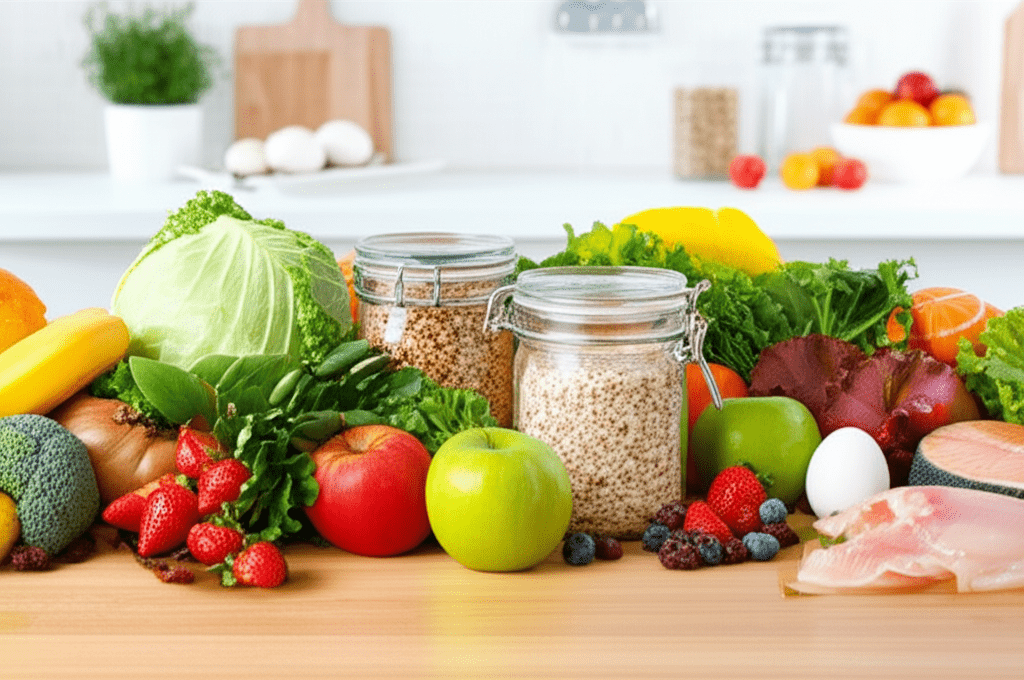
What if there was a way to nourish your body with delicious, wholesome foods while ditching the complicated diet rules? That’s where “clean eating” comes in, a concept that might seem straightforward but often gets lost in translation. So, what does “clean eating” really mean? It’s more than just a trend; it’s a lifestyle centered around making conscious food choices that support your health and well-being.
Understanding the Core Principles of Clean Eating
Clean eating, at its heart, is about choosing whole, unprocessed foods that are as close to their natural state as possible. It’s less about strict rules and more about developing a mindful approach to what you put on your plate. This involves being aware of ingredients, preparation methods, and the overall impact your food choices have on your body and the environment.
– Prioritizing whole foods: This means opting for fruits, vegetables, whole grains, lean proteins, and healthy fats over processed snacks and convenience foods.
– Minimizing processed foods: Processed foods often contain additives, preservatives, and unhealthy fats that can detract from your health. Clean eating encourages you to limit these.
– Reading labels: Becoming a label reader is crucial for understanding what’s actually in your food. Look for shorter ingredient lists and avoid products with excessive added sugars, sodium, and artificial ingredients.
What Does “Clean Eating” Really Mean for Your Diet?
Implementing clean eating into your daily life doesn’t require a complete overhaul. Small, gradual changes can make a big difference. Start by focusing on adding more whole foods to your meals and snacks. Instead of reaching for a processed granola bar, try a handful of nuts and berries. Swap white bread for whole-grain bread, and choose baked or grilled chicken over fried options.
Focusing on Whole Foods
Choosing whole foods means opting for foods that are minimally processed and as close to their natural form as possible. Think of a crisp apple versus apple juice from concentrate. The apple provides fiber, vitamins, and antioxidants, while the juice may have added sugars and lacks the beneficial fiber.
– Fruits and vegetables: These should form the foundation of your clean eating diet. Aim for a variety of colors to ensure you’re getting a wide range of nutrients.
– Whole grains: Choose whole grains like quinoa, brown rice, oats, and whole-wheat bread over refined grains like white bread and white rice.
– Lean proteins: Opt for lean sources of protein like chicken breast, fish, beans, lentils, and tofu.
– Healthy fats: Incorporate healthy fats from sources like avocados, nuts, seeds, and olive oil.
Limiting Processed Foods, Sugars, and Unhealthy Fats
Reducing processed foods, added sugars, and unhealthy fats is a key component of clean eating. These ingredients can contribute to inflammation, weight gain, and various health problems.
– Processed foods: Be mindful of processed foods like packaged snacks, fast food, and convenience meals. These often contain hidden sugars, unhealthy fats, and artificial additives.
– Added sugars: Limit your intake of added sugars by avoiding sugary drinks, processed sweets, and foods with high fructose corn syrup.
– Unhealthy fats: Reduce your consumption of unhealthy fats like saturated and trans fats, found in fried foods, processed snacks, and fatty cuts of meat.
The Benefits of Embracing Clean Eating
Adopting a clean eating lifestyle can bring about numerous health benefits. By nourishing your body with whole, unprocessed foods, you can experience improved energy levels, better digestion, weight management, and a reduced risk of chronic diseases.
– Increased energy levels: Whole foods provide sustained energy throughout the day, unlike processed foods that can lead to energy crashes.
– Improved digestion: Fiber-rich foods like fruits, vegetables, and whole grains promote healthy digestion and prevent constipation.
– Weight management: Clean eating can help you maintain a healthy weight by providing nutrient-dense foods that keep you feeling full and satisfied.
– Reduced risk of chronic diseases: A diet rich in whole foods can lower your risk of chronic diseases like heart disease, type 2 diabetes, and certain types of cancer.
Practical Tips for Starting Your Clean Eating Journey
Embarking on a clean eating journey doesn’t have to be overwhelming. Start with small, manageable changes and gradually incorporate more whole foods into your diet. Here are some practical tips to help you get started.
1. Plan your meals: Planning your meals ahead of time can help you make healthier choices and avoid impulsive decisions.
2. Shop smart: When grocery shopping, focus on the perimeter of the store, where fresh produce, lean proteins, and whole grains are typically located.
3. Cook at home: Cooking your own meals allows you to control the ingredients and preparation methods, ensuring you’re eating clean.
4. Read labels carefully: Pay attention to ingredient lists and nutrition facts panels to make informed choices.
5. Stay hydrated: Drink plenty of water throughout the day to help your body function optimally.
Debunking Common Myths About Clean Eating
There are several misconceptions about what “clean eating” really means. Some believe it’s about restrictive dieting or eliminating entire food groups. However, clean eating is about balance, moderation, and making conscious choices that support your health.
– Myth: Clean eating is about deprivation. Reality: Clean eating is about nourishing your body with wholesome foods and enjoying a balanced diet.
– Myth: Clean eating is expensive. Reality: While some whole foods may be pricier than processed options, you can still eat clean on a budget by choosing seasonal produce, buying in bulk, and cooking at home.
– Myth: Clean eating is time-consuming. Reality: While it may require some initial planning and preparation, clean eating can be simple and convenient with practice.
According to a study published in the “Journal of the American College of Nutrition,” diets rich in whole foods are associated with a reduced risk of several chronic diseases, highlighting the importance of incorporating clean eating principles into your lifestyle. (Outbound link example: Journal of the American College of Nutrition: [https://www.tandfonline.com/loi/gjn](https://www.tandfonline.com/loi/gjn))
Making Clean Eating a Sustainable Lifestyle
“Clean eating” isn’t just a diet; it’s a sustainable lifestyle change that promotes overall health and well-being. By understanding its core principles and incorporating practical tips into your daily routine, you can enjoy the numerous benefits of nourishing your body with whole, unprocessed foods. Remember, it’s about progress, not perfection. Start small, be patient with yourself, and celebrate your successes along the way.
Ready to take the next step towards a healthier you? Explore our resources on healthy recipes and meal planning to kickstart your clean eating journey today.


