

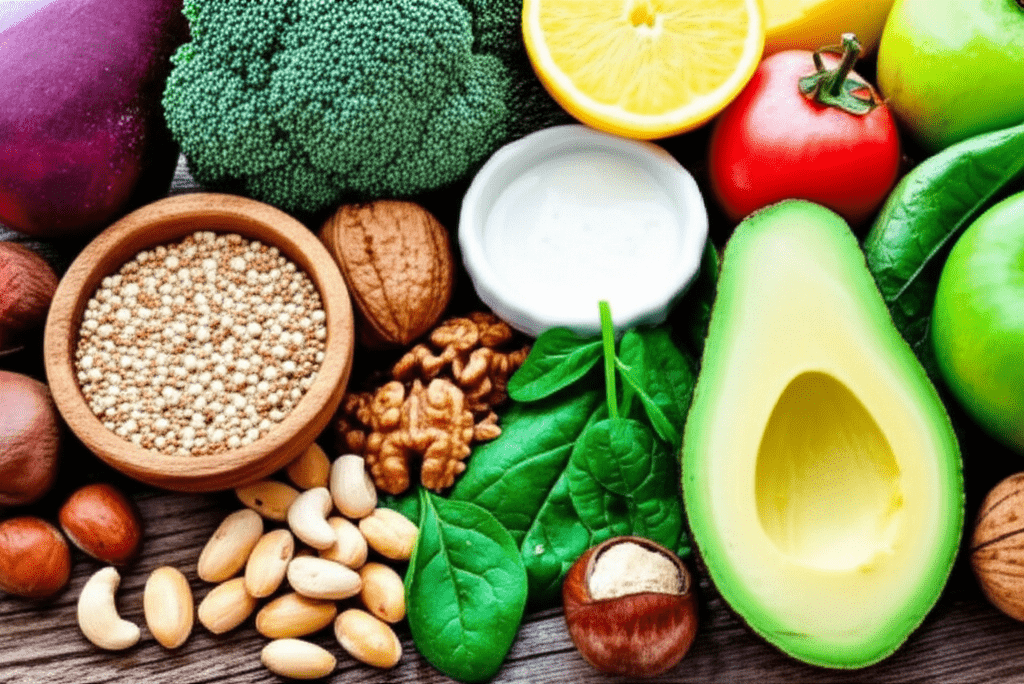
Meta Description: Discover natural remedies for PCOS with a focus on foods that can help manage symptoms. Learn how to incorporate these foods into your diet for better health.
Understanding PCOS and Its Impact
Polycystic Ovary Syndrome (PCOS) is a common hormonal disorder affecting women of reproductive age. Managing PCOS often involves lifestyle changes, and one of the most effective strategies is through diet. Specific foods can help regulate hormone levels, improve insulin sensitivity, and reduce inflammation, all crucial aspects of PCOS management. This article explores natural remedies for PCOS, focusing specifically on foods that can help alleviate symptoms and improve overall well-being.
Common Symptoms of PCOS
– Irregular menstrual cycles: Infrequent, prolonged, or absent periods are common.
– Ovarian cysts: Enlarged ovaries containing follicles surrounding the eggs.
– Hirsutism: Excess hair growth on the face and body.
– Acne: Severe or persistent acne.
– Weight gain: Difficulty losing weight or unexplained weight gain.
– Insulin resistance: The body’s cells don’t respond effectively to insulin.
Foods That Can Help Manage PCOS
Diet plays a crucial role in managing PCOS. The right foods can help improve insulin sensitivity, reduce inflammation, and support hormone balance. Let’s explore some of the most beneficial food groups.
Lean Proteins
Lean proteins are essential for managing PCOS. They help stabilize blood sugar levels and keep you feeling full, which can aid in weight management.
– Chicken and turkey: Excellent sources of lean protein that can be incorporated into various meals.
– Fish: Particularly fatty fish like salmon, which is rich in omega-3 fatty acids.
– Legumes: Beans, lentils, and chickpeas provide protein and fiber, helping regulate blood sugar.
High-Fiber Foods
Fiber helps regulate blood sugar levels and can improve insulin sensitivity. Include plenty of high-fiber foods in your diet.
– Vegetables: Broccoli, spinach, and other non-starchy vegetables are packed with fiber and nutrients.
– Fruits: Berries, apples, and pears offer fiber and antioxidants.
– Whole grains: Opt for whole grains like quinoa, brown rice, and oats instead of refined grains.
Anti-Inflammatory Foods
Inflammation is often elevated in women with PCOS. Incorporating anti-inflammatory foods can help reduce this inflammation and improve overall health.
– Fatty fish: Salmon, mackerel, and sardines are rich in omega-3 fatty acids, which have potent anti-inflammatory properties.
– Berries: Strawberries, blueberries, and raspberries are high in antioxidants that combat inflammation.
– Turmeric: This spice contains curcumin, a powerful anti-inflammatory compound. You can add turmeric to meals or take it as a supplement.
Specific Foods to Incorporate into Your Diet
Now, let’s dive into specific foods that you should consider incorporating into your diet to manage PCOS symptoms effectively. These foods have been shown to have beneficial effects on hormone regulation, insulin sensitivity, and inflammation.
Cinnamon
Cinnamon has been shown to improve insulin sensitivity. Adding cinnamon to your meals or drinks can help regulate blood sugar levels.
– Sprinkle on oatmeal or yogurt.
– Add to smoothies or tea.
– Use in baking or cooking savory dishes.
Apple Cider Vinegar
Apple cider vinegar may help improve insulin sensitivity and lower blood sugar levels.
– Dilute 1-2 tablespoons in water and drink before meals.
– Use as a salad dressing.
– Add to marinades or sauces.
Nuts and Seeds
Nuts and seeds are rich in healthy fats, fiber, and protein, making them a great addition to a PCOS-friendly diet.
– Almonds: A good source of vitamin E and magnesium.
– Walnuts: High in omega-3 fatty acids.
– Flaxseeds and chia seeds: Excellent sources of fiber and omega-3 fatty acids.
Leafy Greens
Leafy greens are packed with vitamins, minerals, and fiber, and they have very few calories.
– Spinach: Rich in iron and antioxidants.
– Kale: High in vitamins A, C, and K.
– Lettuce: A versatile base for salads.
Foods to Avoid or Limit
While incorporating beneficial foods is important, it’s equally crucial to avoid or limit certain foods that can exacerbate PCOS symptoms.
Sugary Foods and Drinks
Sugary foods and drinks can spike blood sugar levels and worsen insulin resistance.
– Soda: High in sugar and empty calories.
– Candy: Offers no nutritional value and can lead to blood sugar crashes.
– Processed sweets: Cakes, cookies, and pastries are often high in sugar and unhealthy fats.
Refined Carbohydrates
Refined carbohydrates can also spike blood sugar levels and contribute to insulin resistance.
– White bread: Lacks fiber and nutrients.
– White rice: Has a high glycemic index.
– Pasta: Opt for whole-grain versions instead.
Processed Foods
Processed foods often contain unhealthy fats, added sugars, and artificial ingredients that can worsen inflammation and insulin resistance.
– Fast food: High in unhealthy fats and calories.
– Packaged snacks: Often contain added sugars and unhealthy fats.
– Processed meats: High in sodium and preservatives.
Creating a PCOS-Friendly Meal Plan
Designing a meal plan that incorporates these natural remedies for PCOS can be simple and effective. Here’s a sample meal plan to get you started.
Breakfast Ideas
– Oatmeal with berries, nuts, and cinnamon.
– Greek yogurt with flaxseeds and a drizzle of honey.
– Scrambled eggs with spinach and avocado.
Lunch Ideas
– Salad with grilled chicken or fish, mixed greens, and a vinaigrette dressing.
– Lentil soup with whole-grain bread.
– Quinoa bowl with roasted vegetables and chickpeas.
Dinner Ideas
– Baked salmon with roasted broccoli and sweet potato.
– Chicken stir-fry with brown rice and plenty of vegetables.
– Turkey meatballs with zucchini noodles and tomato sauce.
Snack Ideas
– A handful of almonds or walnuts.
– Apple slices with almond butter.
– Greek yogurt with berries.
Incorporating these natural remedies for PCOS into your daily diet can significantly improve your symptoms and overall quality of life. Remember to consult with a healthcare provider or registered dietitian to create a personalized plan that suits your specific needs. Managing PCOS is a journey, and diet is a powerful tool in your arsenal. For further insights, you might find this resource helpful: National Institutes of Health – PCOS.
Taking control of your diet is a significant step toward managing PCOS and improving your overall health. By focusing on incorporating beneficial foods and limiting those that exacerbate symptoms, you can regulate your hormones, reduce inflammation, and improve your quality of life. Start making small, sustainable changes today, and experience the positive impact on your PCOS management. Ready to take charge of your PCOS symptoms and discover personalized strategies? Schedule a consultation with a registered dietitian today to create a customized plan tailored to your unique needs!
-
Phase 1 & 2 – Hormone Balance Seed Cycle Blend – PCOS | PCODAdd to cart-25%LimitedOriginal price was: ₹799.00.₹599.00Current price is: ₹599.00.
225 Gm – 28/30 Day Cycle
Promotes hormonal balance and regularity.
Supports healthy ovulation and menstrual cycles.
Improves insulin sensitivity and blood sugar control.
Reduces inflammation and oxidative stress.
Enhances energy levels and mood.
Promotes healthy skin and hair.


